Fencing

There are several types of fencing, each with its own advantages and disadvantages. Here are some of the most common types:

chain link fencing
Chain-link fencing: This is a popular choice for residential and commercial properties because it is relatively inexpensive, durable, and requires minimal maintenance.

Chain-link fencing is a popular type of fencing that is made from galvanized steel wire that is woven into a diamond-shaped mesh pattern. It is commonly used to secure residential and commercial properties, as well as public spaces such as parks and playgrounds. Here are some advantages and disadvantages of chain-link fencing:

Advantages:

Cost-effective: Chain-link fencing is one of the most affordable types of fencing.

Durability: It is strong and durable, and can withstand harsh weather conditions.

Low-maintenance: It requires very little maintenance and can be easily cleaned with a hose.

Visibility: The open mesh design provides visibility and does not block natural light.

Disadvantages:

Appearance: Chain-link fencing is not the most aesthetically pleasing option and may not complement certain styles of homes or properties.

Lack of privacy: The open mesh design does not provide much privacy, although it can be partially obscured by adding privacy slats.

Security: While chain-link fencing can provide a physical barrier, it may not be the most secure option as it can be easily cut or climbed over.

Rust: Over time, the steel wire can rust, which may compromise the strength and appearance of the fence.

Wood fencing: This is a classic choice that offers a traditional look and feel. It is available in a variety of styles and can be stained or painted to match your home's exterior.

Wood fencing is a popular option for residential properties because it offers a traditional look and feel. It can be customized to fit any style or design preference, and it comes in a variety of sizes and colors. Here are some advantages and disadvantages of wood fencing:

Advantages:

Aesthetics: Wood fencing offers a natural and classic look that can complement any type of property.

Customizable: It can be easily customized to fit any size or design preference.

Privacy: Wood fencing can provide excellent privacy depending on the style and height.

Durability: High-quality wood fencing is durable and can last for many years with proper maintenance.

Disadvantages:

Maintenance: Wood fencing requires regular maintenance such as staining or painting, sealing, and periodic repairs to maintain its appearance and durability.

Cost: Wood fencing can be more expensive than other types of fencing such as chain-link or vinyl.

Vulnerability: Wood fencing is vulnerable to rot, termites, and other pests, which can compromise its structural integrity.

Installation: Wood fencing can be more difficult to install than other types of fencing, which can increase installation costs.

Vinyl fencing: This type of fencing is durable and low-maintenance. It is available in a variety of styles and colors, making it a popular choice for homeowners who want a modern look.

Vinyl fencing is a popular option for residential and commercial properties because it is low-maintenance, durable, and versatile. It is made from a type of plastic called PVC (polyvinyl chloride), which is lightweight, flexible, and strong. Here are some advantages and disadvantages of vinyl fencing:

Advantages:

Low-maintenance: Vinyl fencing requires very little maintenance and can be easily cleaned with a hose and mild detergent.

Durability: It is strong and durable, and can withstand harsh weather conditions, including extreme temperatures and high winds.

Versatility: Vinyl fencing is available in a variety of styles, colors, and textures, and can be customized to fit any design preference.

Longevity: High-quality vinyl fencing can last for many years with minimal upkeep.

Disadvantages: Cost: Vinyl fencing can be more expensive than other types of fencing, although it is more affordable in the long run due to its low maintenance and long lifespan.

Installation: Vinyl fencing can be more difficult to install than other types of fencing, which can increase installation costs.

Limited repair options: Vinyl fencing is not easily repaired, and damaged sections usually need to be replaced.

Appearance: Some people do not prefer the appearance of vinyl fencing as it can look artificial or "plastic".

Aluminum fencing: This is a low-maintenance option that is durable and comes in a variety of styles. It is also lightweight and easy to install.

Aluminum fencing is a popular option for residential and commercial properties because it is durable, low-maintenance, and customizable. It is made from lightweight, corrosion-resistant aluminum alloy and is available in a variety of styles and colors. Here are some advantages and disadvantages of aluminum fencing:

Advantages:

Low-maintenance: Aluminum fencing requires very little maintenance and can be easily cleaned with a hose and mild detergent.

Durability: It is strong, durable, and resistant to rust and corrosion, making it an ideal choice for coastal areas or humid environments.

Customizable: Aluminum fencing is available in a variety of styles, colors, and finishes, and can be customized to fit any design preference.

Lightweight: It is lightweight and easy to install, which can reduce installation costs.

Disadvantages:

Cost: Aluminum fencing can be more expensive than other types of fencing such as chain-link or wood.

Limited privacy: Aluminum fencing provides limited privacy as it is usually made with pickets spaced apart from each other.

Vulnerability to damage: While aluminum is durable, it can be easily dented or damaged by heavy impact.

Security: Aluminum fencing may not be the most secure option as it can be easily cut or climbed over.

Wrought iron fencing: This is a classic and elegant option that is durable and long-lasting. It requires regular maintenance to prevent rust and corrosion.

Wrought iron fencing is a classic and elegant option for residential and commercial properties. It is made from iron that is heated, twisted, and bent into decorative designs and patterns. Here are some advantages and disadvantages of wrought iron fencing: Advantages: Aesthetics: Wrought iron fencing provides a classic and elegant look that can complement any type of property.

Durability: It is strong, durable, and resistant to weather conditions, making it an ideal choice for outdoor use.

Security: Wrought iron fencing provides a high level of security due to its strength and durability.

Customizable: It can be easily customized to fit any size or design preference.

Disadvantages:

Cost: Wrought iron fencing is one of the most expensive types of fencing due to its material cost and intricate design.

Maintenance: It requires regular maintenance such as painting and rust removal to maintain its appearance and durability.

Vulnerability to rust: Wrought iron fencing can be vulnerable to rust, which can compromise its structural integrity.

Weight: Wrought iron fencing is heavy and can be difficult to install, which can increase installation costs.

Electric fencing: This type of fencing is often used to contain livestock or pets. It uses a low-voltage electric shock to deter animals from crossing the boundary.

Electric fencing is a type of fencing that uses electrical shocks to deter animals or people from crossing a boundary. It is commonly used in agriculture to contain livestock, but it can also be used for security purposes. Here are some advantages and disadvantages of electric fencing: Advantages: Deterrent: Electric fencing provides a strong deterrent against trespassers and can effectively contain livestock.

Low cost: It can be more affordable than other types of fencing such as wood or wrought iron.

Customizable: It can be easily customized to fit any size or design preference.

Easy installation: Electric fencing is relatively easy to install and can be done without professional help.

Disadvantages:

Safety concerns: Electric fencing can be dangerous if not installed and maintained properly, and it can cause injury or death to animals or people.

Maintenance: It requires regular maintenance to ensure that it is functioning properly and safely.

Limited use: Electric fencing is typically used for agricultural or rural purposes and may not be suitable for urban or residential areas.

Legal restrictions: In some areas, there may be legal restrictions on the use of electric fencing, so it is important to check local regulations before installing.

Bamboo fencing: This is a sustainable and eco-friendly option that provides privacy and a natural look. It is easy to install and maintain, but may not be as durable as other types of fencing.

Bamboo fencing is a type of fencing that is made from bamboo, a fast-growing and renewable resource that is environmentally friendly. It is becoming increasingly popular as an alternative to traditional wood or vinyl fencing. Here are some advantages and disadvantages of bamboo fencing:

Advantages:

Eco-friendly: Bamboo is a sustainable and renewable resource, making bamboo fencing an environmentally friendly option.

Aesthetics: Bamboo fencing has a unique and natural look that can complement any type of property.

Durability: Bamboo is strong and durable, and when properly treated and maintained, it can last for many years.

Cost: Bamboo fencing can be more affordable than other types of fencing such as wood or wrought iron.

Disadvantages:

Vulnerability to weather: Bamboo fencing is vulnerable to weather conditions and can rot, fade, or split if not properly treated or maintained.

Limited privacy: Bamboo fencing provides limited privacy as it is usually made with pickets spaced apart from each other.

Limited availability: Bamboo fencing may not be readily available in all areas and may require special ordering or shipping.

Limited security: Bamboo fencing may not provide the highest level of security as it can be easily cut or climbed over.

There are many fencing contractors in the USA, and it can be helpful to research and compare them before selecting one to work with. Here are a few ways to find fencing contractors in the USA:

Online directories: Websites like HomeAdvisor, Angie's List, and Yelp allow you to search for fencing contractors in your area and read reviews from previous customers.

Local business listings: Check your local phone book or online business directories like Google My Business to find fencing contractors in your area.

Referrals: Ask friends, family, or neighbors who have recently had fencing work done for recommendations.

Social media: Look for local fencing contractors on social media platforms like Facebook or Instagram.

Once you have found potential fencing contractors, it is important to ask them for references, look at their portfolio of work, and get a written estimate for the project. Additionally, it is important to check if they are licensed, insured, and have any complaints filed against them with the Better Business Bureau or other consumer protection agencies.

How to calculate steel in concrete

Calculating the amount of steel needed for a concrete project involves determining the steel reinforcement required by the design and then calculating the quantity of steel required for that reinforcement. Here are the general steps involved in the process:

Determine the Reinforcement Required by the Design: The amount and size of steel reinforcement required for a concrete project depend on the design of the structure, including the loads it will carry and the span of the supporting members. This information can be obtained from the structural engineer or the design specifications.

Calculate the Quantity of Steel Required: Once you know the size and number of reinforcing bars required, you can calculate the quantity of steel needed. This involves multiplying the length of each bar by the weight per unit length of the specific size and type of steel reinforcement used. The weight per unit length of steel reinforcement can be obtained from a steel manufacturer's catalog or reference manual.

Account for Waste and Overlap: To account for the waste of steel and the overlap required for proper reinforcement, it's common to add an additional 5-10% to the total amount of steel required.

Convert Units: If necessary, convert the units of length and weight to ensure they are consistent with one another. For example, if the length is in meters and the weight per unit length is in pounds per foot, convert the weight to kilograms per meter.

Total the Steel Required: Add the quantities calculated for each size and type of steel reinforcement to arrive at the total amount of steel required for the project.

It's important to note that calculating the amount of steel required for a concrete project can be a complex process that requires expertise in both engineering and construction. It's always best to consult with a qualified engineer or contractor before undertaking a concrete project.

There are several thumb rules that can be used to estimate the quantity of steel reinforcement required in concrete. One of the commonly used thumb rules is to assume a weight of 1% to 2% of the total volume of concrete as the weight of steel reinforcement.

Using this rule, for a concrete volume of 1 cubic meter, the weight of steel reinforcement required would be between 10 to 20 kilograms. However, it's important to note that this is just an estimate and the actual amount of steel required will depend on several factors such as the design of the structure, the loads it will carry, and the type of steel reinforcement used.

It's always best to consult with a qualified engineer or contractor to determine the exact amount of steel required for a specific concrete project.

The quantity of steel required in a reinforced concrete (RCC) beam depends on various factors such as the dimensions of the beam, the loading conditions, the concrete strength, and the desired level of reinforcement.

The amount of steel reinforcement required is typically expressed as a percentage of the total cross-sectional area of the beam. This percentage is known as the reinforcement ratio and is usually between 0.5% to 5% for different types of beams.

The minimum reinforcement requirement for RCC beams is governed by the design codes and standards, which specify the minimum steel reinforcement required based on the cross-sectional area of the beam.

In general, the steel reinforcement in an RCC beam is provided in the form of reinforcing bars or rebars, which are placed in a specific pattern and spacing to provide the necessary strength and durability to the beam.

The quantity of steel reinforcement required can be calculated using the following formula:

Steel quantity = (Reinforcement ratio) x (Cross-sectional area of the beam) For example, if the cross-sectional area of the beam is 1000 square millimeters and the reinforcement ratio is 1%, the steel quantity required would be: Steel quantity = 1% x 1000 sq.mm = 10 sq.mm

Therefore, 10 square millimeters of steel reinforcement would be required in this case.

The quantity of steel required in a reinforced concrete (RCC) column depends on various factors such as the dimensions of the column, the loading conditions, the concrete strength, and the desired level of reinforcement.

The amount of steel reinforcement required is typically expressed as a percentage of the total cross-sectional area of the column. This percentage is known as the reinforcement ratio and is usually between 0.8% to 6% for different types of columns.

The minimum reinforcement requirement for RCC columns is governed by the design codes and standards, which specify the minimum steel reinforcement required based on the cross-sectional area of the column.

In general, the steel reinforcement in an RCC column is provided in the form of vertical bars or ties, which are placed in a specific pattern and spacing to provide the necessary strength and durability to the column.

The quantity of steel reinforcement required can be calculated using the following formula:

Steel quantity = (Reinforcement ratio) x (Cross-sectional area of the column)

For example, if the cross-sectional area of the column is 1000 square millimeters and the reinforcement ratio is 1%, the steel quantity required would be: Steel quantity = 1% x 1000 sq.mm = 10 sq.mm

steel in concrete
Therefore, 10 square millimeters of steel reinforcement would be required in this case.

It is important to note that the design and detailing of RCC columns should be done by a qualified and experienced structural engineer to ensure that the structure is safe and stable.

The quantity of steel required in a reinforced concrete (RCC) slab depends on various factors such as the dimensions of the slab, the loading conditions, the concrete strength, and the desired level of reinforcement.

The amount of steel reinforcement required is typically expressed as a percentage of the total cross-sectional area of the slab. This percentage is known as the reinforcement ratio and is usually between 0.1% to 0.5% for different types of slabs.

The minimum reinforcement requirement for RCC slabs is governed by the design codes and standards, which specify the minimum steel reinforcement required based on the span and thickness of the slab.

In general, the steel reinforcement in an RCC slab is provided in the form of reinforcement bars or mesh, which are placed in a specific pattern and spacing to provide the necessary strength and durability to the slab.

The quantity of steel reinforcement required can be calculated using the following formula:

Steel quantity = (Reinforcement ratio) x (Cross-sectional area of the slab)

For example, if the cross-sectional area of the slab is 10,000 square millimeters and the reinforcement ratio is 0.2%, the steel quantity required would be: Steel quantity = 0.2% x 10,000 sq.mm = 20 sq.mm

Therefore, 20 square millimeters of steel reinforcement would be required in this case.

It is important to note that the design and detailing of RCC slabs should be done by a qualified and experienced structural engineer to ensure that the structure is safe and stable.

How to calculate Cement, sand and metal in concrete

To calculate the quantities of cement, sand, and metal (aggregate) in concrete, you need to know the mix ratio of concrete and the total volume of concrete you want to make. The mix ratio specifies the amount of cement, sand, and metal that needs to be mixed to obtain the desired strength and workability of the concrete. The most common mix ratio used for making concrete is 1:2:3, which means one part cement, two parts sand, and three parts metal (aggregate) by volume.


concrete material


Here are the steps to calculate the quantities of cement, sand, and metal in concrete:

Cement, Sand & Metal Calculator


Step 1: Determine the total volume of concrete you want to make. For example, if you want to make 1 cubic meter of concrete, the volume would be 1m³.

Step 2: Calculate the volume of cement needed. To do this, multiply the total volume of concrete by the proportion of cement in the mix ratio. For example, for a 1:2:3 mix ratio, the proportion of cement would be 1/(1+2+3) = 1/6. So, the volume of cement needed would be:

Volume of cement = 1m³ x 1/6 = 0.167m³

Step 3: Calculate the volume of sand needed. To do this, multiply the total volume of concrete by the proportion of sand in the mix ratio. For example, for a 1:2:3 mix ratio, the proportion of sand would be 2/(1+2+3) = 2/6. So, the volume of sand needed would be:

Volume of sand = 1m³ x 2/6 = 0.333m³

Step 4: Calculate the volume of metal (aggregate) needed. To do this, multiply the total volume of concrete by the proportion of metal in the mix ratio. For example, for a 1:2:3 mix ratio, the proportion of metal would be 3/(1+2+3) = 3/6. So, the volume of metal needed would be:

Volume of metal = 1m³ x 3/6 = 0.5m³

Step 5: Convert the volumes of cement, sand, and metal into weights. The weight of each material depends on its density. The density of cement is 1440 kg/m³, the density of sand is 1600 kg/m³, and the density of metal (aggregate) is 1500 kg/m³. So, the weights of each material would be:

Weight of cement = Volume of cement x Density of cement = 0.167m³ x 1440 kg/m³ = 240 kg

Weight of sand = Volume of sand x Density of sand = 0.333m³ x 1600 kg/m³ = 533 kg

Weight of metal = Volume of metal x Density of metal = 0.5m³ x 1500 kg/m³ = 750 kg

To determine the amount of cement, sand, and stone required for your house, we need more specific information about the construction project. The quantities will vary depending on factors such as the size of the house, the type of construction (e.g., foundation, walls, flooring), and the design specifications. However, I can provide you with a general guideline for estimating the quantities of cement, sand, and stone commonly used in construction projects. Please note that these are rough estimates and it's always best to consult with a professional for accurate calculations.

Cement:

The quantity of cement required is typically measured in bags (usually 50kg bags). The amount of cement depends on the type of construction, but a rough estimate is around 4-5 bags per cubic meter (m³) of concrete. So, you need to determine the total volume of concrete required for your house and multiply it by the cement-to-concrete ratio to find the number of bags.

Sand:

The quantity of sand is also measured in cubic meters. The amount of sand required depends on the type of construction and the mortar mix ratio. For general purposes, a common mix ratio is 1:3 (1 part cement to 3 parts sand) for mortar. So, you would need approximately 0.7-0.8 cubic meters of sand per cubic meter of masonry work.

Stone (Aggregate):

The quantity of stone or aggregate is also measured in cubic meters. The amount of stone required varies depending on the type of construction, such as foundation work or concrete slabs. As a rough estimate, for concrete works, you may need around 0.6-0.7 cubic meters of stone per cubic meter of concrete.

Keep in mind that these estimates are general guidelines and may vary depending on local construction practices, design requirements, and other factors specific to your project. It's always recommended to consult with a professional engineer or contractor who can accurately assess your construction needs and provide precise calculations.

Therefore, to make 1 cubic meter of concrete using a 1:2:3 mix ratio, you would need 240 kg of cement, 533 kg of sand, and 750 kg of metal (aggregate).


#calculatecement #calculate cement #Calculatesand #calculate sand #calculatemetal #calculate metal #calculate steel #calculate concrete 

Bamboo house design

Bamboo houses can be a sustainable and eco-friendly option for housing. Here are some ideas for designing a bamboo house:

(

bamboo house design


Use natural materials: When designing a bamboo house, it's important to use other natural materials like wood, stone, and clay to create a natural and cohesive look.

Click here Advertisements on this site

Consider the climate: Bamboo is ideal for tropical and humid climates because it's resistant to insects and moisture. Consider designing your bamboo house with large windows and open-air spaces to allow for natural ventilation.

bamboo outhouse


Incorporate bamboo into the design: Bamboo can be used for everything from walls to flooring to furniture. Consider using bamboo in unique and creative ways, like using it to create a woven ceiling or as a decorative element on the exterior of the house.

bamboo shed


Make it structurally sound: Bamboo is a strong and flexible material, but it's important to ensure that the structure of your bamboo house is sound. Consider hiring an engineer who is experienced in bamboo construction to ensure your house is structurally sound.

small bamboo house


Add modern amenities: Just because your house is made of bamboo doesn't mean it can't have modern amenities. Consider adding features like a modern kitchen or a luxury bathroom to make your bamboo house feel like a luxurious retreat.

Ultimately, the design of your bamboo house will depend on your personal style and needs, but incorporating natural materials, considering the climate, and making sure the structure is sound are all important factors to keep in mind.


bamboo windows


Bamboo is a versatile and sustainable building material that can be used in a variety of ways in house construction. Here are some types of bamboo commonly used for building houses:

Guadua bamboo: Guadua is a type of bamboo that is native to South America and is considered one of the strongest and most durable species of bamboo. It is often used for structural purposes in house construction.

Moso bamboo: Moso bamboo is a large bamboo species native to China and is commonly used for flooring, furniture, and construction. It's known for its strength and durability, as well as its attractive color and grain.

Black bamboo: Black bamboo is a beautiful and elegant species of bamboo that is commonly used for decorative purposes in house construction, such as for fencing, paneling, or screens.

Bambusa vulgaris: This bamboo species is native to Southeast Asia and is known for its thick-walled culms, making it an ideal option for structural purposes in house construction.

Dendrocalamus asper: This bamboo species is native to India and is commonly used for flooring, furniture, and house construction due to its strength and durability.

Ultimately, the type of bamboo used for house construction will depend on the specific needs of the project, as different species have different properties and strengths. It's important to work with a professional who has experience in bamboo construction to ensure the right type of bamboo is chosen and the construction is done properly.

The cost of a bamboo house will depend on a variety of factors, including the size of the house, the type of bamboo used, the location of the house, and the design and construction methods used. Generally, bamboo houses are less expensive than traditional brick or concrete houses, but the cost will still vary depending on these factors.


Here are some estimated costs for a bamboo house:

Small bamboo house: A small bamboo house can cost anywhere from $10,000 to $30,000, depending on the size and location. This may include basic amenities such as a kitchen and bathroom.

Medium-sized bamboo house: A medium-sized bamboo house can cost anywhere from $30,000 to $70,000. This may include multiple rooms, modern amenities, and more intricate design elements.

Large bamboo house: A large bamboo house can cost upwards of $100,000 or more, depending on the complexity of the design, the location, and the materials used.

It's important to note that these are just rough estimates, and the cost can vary widely depending on a variety of factors. Additionally, building codes and regulations may affect the cost of building a bamboo house in certain locations. It's recommended to work with a professional builder who has experience in bamboo construction to get a more accurate cost estimate.

Building a cheap bamboo house can be a cost-effective and sustainable option for housing. Here are some ways to keep the cost of a bamboo house low:

Choose an affordable bamboo species: Some bamboo species are more expensive than others. Choosing an affordable species, such as Bambusa vulgaris or Dendrocalamus asper, can help keep costs low.

Use locally sourced materials: Transporting materials can add significantly to the cost of a bamboo house. Using locally sourced materials can help keep transportation costs down.

Simple design: A simple design with a basic floor plan can help keep costs down. Adding intricate design elements and features can quickly drive up the cost of a bamboo house.

DIY: If you have construction experience and the necessary tools, building a bamboo house yourself can significantly reduce the cost. However, it's important to ensure that the construction is done safely and properly.

Basic amenities: Basic amenities, such as a simple kitchen and bathroom, can help keep costs down. Adding more luxurious features can quickly increase the cost.

The cost of a cheap bamboo house can vary widely depending on the size, location, and materials used. However, with careful planning and consideration, it's possible to build a bamboo house on a budget. A small, basic bamboo house could cost as little as $10,000 to $15,000, depending on the location and materials used.

Bamboo huts are a traditional type of housing that can be found in many parts of the world, particularly in Southeast Asia and other tropical regions. These huts are typically small and simple structures made entirely or partially of bamboo, and they often feature thatched roofs made of palm leaves or other natural materials.

Bamboo huts can be used for a variety of purposes, such as temporary shelter for travelers or workers, beach huts for tourists, or even as permanent housing for people living in rural areas.

While bamboo huts are often basic and simple in design, they can be quite sturdy and durable when constructed properly. Bamboo is a strong and flexible material that is resistant to pests and moisture, making it well-suited for use in tropical climates.

However, it's important to note that bamboo huts may not be suitable for all environments, and they may not meet local building codes and regulations. Additionally, they may not be as comfortable or secure as more modern housing options.

Overall, bamboo huts can be a charming and unique option for temporary or low-cost housing in certain situations, but they may not be appropriate for all situations or locations.

If you are interested in building a bamboo house, it's important to find a contractor or builder who has experience working with bamboo as a construction material. Here are some tips for finding a contractor for your bamboo house:

Look for builders who specialize in bamboo construction: Some builders specialize in bamboo construction and have experience designing and building bamboo houses. Look for builders who have experience working with bamboo and can provide references and examples of their work.

Ask for recommendations: If you know anyone who has built a bamboo house or worked with a bamboo contractor, ask for recommendations. This can help you find a reputable contractor who has experience with bamboo construction.

Check online directories: There are online directories that list bamboo construction specialists and contractors. Check these directories to find contractors in your area.

Attend bamboo construction workshops or events: Attending bamboo construction workshops or events can help you connect with builders who have experience with bamboo construction. These events often attract people who are passionate about bamboo and sustainable building practices.

Check with local building associations: Local building associations may have a list of contractors who have experience with bamboo construction. Contact your local building association for recommendations.

When choosing a contractor for your bamboo house, it's important to ask questions about their experience, their building process, and their pricing. You should also ask to see examples of their work and check references to ensure they are reputable and reliable.

Bamboo can be a great material for a roof because it is lightweight, strong, and flexible. Here are some things to consider when building a bamboo roof:

Choose the right type of bamboo: Not all bamboo is suitable for roofing. Look for bamboo species that have straight, strong culms that are at least 3-4 inches in diameter. Some good species for roofing include Guadua angustifolia, Dendrocalamus giganteus, and Bambusa vulgaris. Determine the pitch of the roof: The pitch, or slope, of the roof, will affect the amount of rainwater that can be collected and the stability of the roof structure. A pitch of 30 degrees or more is recommended for maximum rainwater runoff.

Prepare the bamboo: Before installing the bamboo, it's important to treat it to prevent rot and insect damage. This can be done by soaking the bamboo in borax or a similar solution for several days.

Install the bamboo: Bamboo can be installed horizontally or vertically, depending on the design of the roof. It's important to ensure that the bamboo is securely attached to the roof structure to prevent it from shifting or falling during high winds.

Cover the bamboo with a waterproof material: To prevent water from seeping through the gaps between the bamboo, a waterproof material should be applied over the bamboo. This can be a layer of thatch, roofing felt, or a sheet of plastic or metal.

Bamboo roofs can be a beautiful and sustainable option for many types of buildings, from small huts to large homes. However, it's important to work with a professional builder who has experience in bamboo construction to ensure that the roof is installed safely and properly.

Which flooring is good

There are many different types of tiles that are good for flooring, depending on your needs, preferences, and budget. Here are some popular options:

Which flooring is good


Ceramic tiles: These are a popular choice for their durability, versatility, and affordability. They come in a wide range of colors, patterns, and sizes, making them suitable for various styles and design schemes.

Click here Advertisements on this site

Porcelain tiles: These are similar to ceramic tiles but are denser, harder, and more water-resistant, making them ideal for high-traffic areas like entryways, kitchens, and bathrooms.

Natural stone tiles: These include marble, granite, slate, limestone, and travertine, among others. They are highly durable, luxurious, and unique, but they can be more expensive and require regular maintenance.

Vinyl tiles: These are a cost-effective and practical option for those who want the look of tiles without the expense or hassle. They come in a range of styles and colors and are easy to install and maintain.

Cork tiles: These are an eco-friendly and comfortable option for those who want a softer flooring surface. They are also resistant to moisture and mildew, making them suitable for bathrooms and basements.

Ultimately, the best type of tile for your flooring will depend on your specific needs, preferences, and budget. It's a good idea to consult with a professional installer or interior designer to help you choose the right tiles for your home.

Anti Skid

Anti-skid tiles, also known as anti-slip tiles, are tiles that are designed to have a textured surface that provides increased traction and reduces the risk of slips, trips, and falls. They are often used in areas that are frequently wet or slippery, such as bathrooms, kitchens, and outdoor areas.

The texture on the surface of anti-skid tiles can take many forms, including grooves, ridges, bumps, or rough finishes. The degree of slip resistance provided by these tiles is measured using a slip resistance rating, which is determined by testing the tiles against a standard set of conditions.

Anti-skid tiles are an essential safety feature in many public and private spaces, helping to prevent accidents and injuries. They come in a variety of sizes, colors, and materials, including ceramic, porcelain, and natural stone, making it easy to find a style that fits your design preferences while providing the necessary slip resistance.

***


*** 

  Cleaning of tiles

Regular cleaning of tiles and flooring is essential to maintain their appearance, durability, and hygiene. Here are some general guidelines for cleaning different types of tiles and flooring:

Ceramic and Porcelain Tiles: Sweep or vacuum regularly to remove dirt and debris. Mop with a solution of warm water and a mild detergent or a specialized tile cleaner. Avoid using abrasive cleaners or harsh chemicals, as they can damage the tiles.

Natural Stone Tiles: Sweep or vacuum regularly, and avoid using acidic cleaners, as they can etch and stain the stone. Use a specialized stone cleaner that is pH-neutral and formulated for the specific type of stone.

Vinyl Flooring: Sweep or vacuum regularly, and mop with a solution of warm water and a mild detergent or a specialized vinyl cleaner. Avoid using abrasive cleaners or scrub brushes, as they can scratch and damage the surface.

Hardwood Flooring: Sweep or vacuum regularly, and clean with a specialized hardwood cleaner that is pH-neutral and recommended by the manufacturer. Avoid using excess water or wet mopping, as it can cause the wood to warp and buckle. Carpet Flooring: Vacuum regularly to remove dirt and debris, and spot-clean stains with a specialized carpet cleaner or a solution of warm water and a mild detergent. Have carpets professionally cleaned every 6-12 months to remove deep-set dirt and stains.

In addition to regular cleaning, it's also important to address spills and stains immediately to prevent them from setting in and becoming harder to remove. Follow the manufacturer's instructions for cleaning and maintenance to ensure that you are using the appropriate products and methods for your specific type of tiles and flooring.

Costing

The cost of flooring in India varies depending on several factors, such as the type of flooring material, the size of the area to be covered, the complexity of the installation, and the location of the project. Here is a general idea of the average cost of popular flooring options in India:

Ceramic and Porcelain Tiles: The cost of tiles in India ranges from Rs. 30 to Rs. 500 per square foot, depending on the quality, size, and design of the tiles. Installation costs range from Rs. 10 to Rs. 40 per square foot, depending on the complexity of the job.

Natural Stone Tiles: The cost of natural stone tiles in India varies widely depending on the type of stone, with prices ranging from Rs. 50 to Rs. 500 per square foot. Installation costs range from Rs. 20 to Rs. 100 per square foot, depending on the type of stone and the complexity of the installation.

Vinyl Flooring: The cost of vinyl flooring in India ranges from Rs. 30 to Rs. 150 per square foot, depending on the quality, thickness, and design of the vinyl. Installation costs range from Rs. 15 to Rs. 30 per square foot, depending on the complexity of the installation.

Hardwood Flooring: The cost of hardwood flooring in India varies depending on the type of wood, with prices ranging from Rs. 300 to Rs. 800 per square foot. Installation costs range from Rs. 50 to Rs. 100 per square foot, depending on the type of wood and the complexity of the installation.

Carpet Flooring: The cost of carpet flooring in India ranges from Rs. 50 to Rs. 300 per square foot, depending on the quality and design of the carpet. Installation costs range from Rs. 20 to Rs. 50 per square foot, depending on the complexity of the installation.

These are general estimates, and actual costs may vary depending on the specific materials and services chosen, as well as local market conditions. It's best to get a detailed quote from a reputable flooring contractor before starting any flooring project.

Material Used for flooring

The materials required for flooring depend on the type of flooring being installed. Here are some general guidelines for the materials required for common flooring options:

Ceramic and Porcelain Tiles: Tiles, thin-set mortar or adhesive, grout, and sealant are required for ceramic and porcelain tile flooring. Other tools and materials required include a trowel, tile cutter, spacers, level, and grout float.

Natural Stone Tiles: Natural stone tiles require similar materials as ceramic and porcelain tiles, including tiles, thin-set mortar or adhesive, grout, and sealant. However, natural stone tiles also require specialized tools, such as a wet saw or angle grinder, to cut the tiles to size.

Vinyl Flooring: Vinyl flooring requires vinyl tiles or sheets, adhesive, and sealant. Other tools and materials required include a trowel, notched trowel, utility knife, straightedge, and seam roller.

Hardwood Flooring: Hardwood flooring requires hardwood planks or strips, underlayment, and finishing materials such as stain or polyurethane. Other tools and materials required include a nail gun, hammer, flooring nailer, flooring stapler, saw, and pry bar.

Carpet Flooring: Carpet flooring requires carpet tiles or rolls, padding, tack strips, and finishing materials such as seam tape or adhesive. Other tools and materials required include a carpet cutter, power stretcher, knee kicker, and stair tool.

These are general guidelines, and the specific materials required for flooring may vary depending on the manufacturer's instructions and the specific installation requirements. It's important to consult with a professional flooring installer or retailer for guidance on the specific materials and tools needed for your project.

There are many areas where tiles can be fixed. Some common areas where tiles are often used include:

Bathrooms: Tiles are commonly used on bathroom floors, walls, and showers because they are water-resistant and durable.

Kitchens: Tiles are often used on kitchen floors, backsplashes, and countertops because they are easy to clean and resist stains.

Outdoor spaces: Tiles can be used on patios, decks, and walkways because they are durable and can withstand weather conditions.

Living areas: Tiles can be used in living rooms and other areas of the home as a decorative element or to create a unique design. Commercial spaces: Tiles are often used in commercial spaces such as offices, restaurants, and retail stores because they are durable and easy to maintain. When selecting tiles for a specific area, it is important to choose tiles that are appropriate for the location and intended use. For example, tiles used in high-traffic areas should be more durable and resistant to wear and tear than tiles used in low-traffic areas.

When it comes to selecting tiles for a staircase, it is important to choose a tile that is slip-resistant, durable, and able to withstand heavy foot traffic. Here are some options:

Porcelain tile: Porcelain tile is a popular choice for staircases because it is durable, slip-resistant, and easy to clean. It is also available in a wide range of colors and styles, making it a versatile option for any design scheme.

Natural stone tile: Natural stone tiles, such as granite or slate, are also a good choice for staircases because they are durable and slip-resistant. They are also available in a variety of colors and textures, giving you plenty of design options.

Ceramic tile: Ceramic tiles are a budget-friendly option for staircases, but they are not as durable as porcelain or natural stone tiles. However, they can still provide good slip resistance and come in a variety of colors and designs. Glass tile: Glass tiles are a stylish and modern option for staircases, but they may not be the most practical choice. They are not as slip-resistant as other options and may not be as durable over time.

Ultimately, the best tile for your staircase will depend on your specific needs and preferences. It's important to consult with a professional to ensure that you choose the right tile for your space.

There are various chemicals used for tile fixing, depending on the type of tile and the surface to it will be applied. Here are some of the most common chemicals used for tile fixing:

Tile Adhesive: Tile adhesive is the most common chemical used for tile fixing. It is a cement-based adhesive that is used to bond the tile to the surface. Tile adhesive comes in different forms such as ready-to-use paste, powder, or pre-mixed adhesive. It is water-resistant and has strong bonding properties.

Grout: Grout is another important chemical used for tile fixing. It is a cement-based material that is used to fill the gaps between tiles. Grout comes in a variety of colors and is available in sanded or unsanded form. It is used to create a smooth and seamless surface between tiles.

Sealant: A sealant is used to protect the surface of the tiles from moisture, stains, and other types of damage. It is applied after the tiles have been installed and the grout has dried. Sealants can be either solvent-based or water-based and can be clear or colored.

Primer: A primer is used to prepare the surface of the area where the tiles will be installed. It helps to improve the bonding between the surface and the adhesive. The type of primer used will depend on the type of surface it is being applied to.

It is important to choose the right chemicals for tile fixing to ensure a strong and long-lasting bond between the tile and the surface. Always follow the manufacturer's instructions for application and use protective gear such as gloves and goggles when handling chemicals.

What should be the depth of foundation

what should be foundation depth?

The depth of foundation required for a building depends on several factors such as the load-bearing capacity of the soil, the weight of the building, the water table level, the climate and weather conditions, and the local building codes and regulations.

A geotechnical engineer or a structural engineer can determine the foundation depth required for a specific building project by conducting a soil test and analyzing the site's conditions. They will also consider the type of foundation required, such as shallow foundations, deep foundations, or pile foundations, and the building's intended use.

In general, for most residential buildings, a minimum depth of 3 to 4 feet is required for a shallow foundation, while deeper foundations may be necessary for larger or taller buildings or in areas with poor soil conditions.

foundation depth
It's essential to ensure that the foundation depth is sufficient to support the weight of the building and resist the forces of nature such as wind, earthquakes, and flooding. So, it's crucial to consult with a qualified engineer to determine the appropriate foundation depth for your specific building project.

What should be the depth of foundation in black cotton soil?

Black cotton soil, also known as expansive soil, is a type of soil that is highly reactive to moisture changes and has a low bearing capacity, which makes it unsuitable for supporting heavy structures. In such soils, the foundation depth required for a building will depend on the depth of the stable strata, which is the layer of soil or rock that is capable of supporting the building's weight.

For black cotton soil, a minimum foundation depth of 1.5 meters (5 feet) is typically recommended to ensure that the foundation rests on a stable stratum that is less susceptible to moisture changes. However, the actual foundation depth required may vary depending on the soil's specific characteristics, the building's weight, and other local factors.

***

*** It is important to consult with a geotechnical engineer to determine the foundation depth required for a building in black cotton soil, as the soil's behavior can be highly unpredictable, and a proper foundation design is critical to ensure the building's stability and safety over time.

What should be the depth of foundation in murrum?

Murrum is a type of soil that is composed of a mixture of gravel, sand, and clay and is commonly found in many regions around the world. The foundation depth required for a building in murrum soil depends on several factors, including the load-bearing capacity of the soil, the weight of the building, and the local building codes and regulations.

Typically, for shallow foundation designs in murrum soil, a minimum depth of 1 meter (3.3 feet) is recommended to ensure adequate stability and bearing capacity. However, the actual foundation depth required may vary depending on the specific properties of the soil and the building's design and weight.

If the soil has a low bearing capacity, it may be necessary to use a deep foundation, such as a pile foundation, to transfer the building's weight to a deeper, more stable soil layer. The required depth of the pile foundation will depend on the specific conditions of the site and the load-bearing capacity of the soil.

It is important to consult with a qualified geotechnical engineer to determine the appropriate foundation depth and design for a building in murrum soil, as the soil's properties can vary significantly depending on its composition and other local factors.


Pile Foundation 

A pile foundation is a type of deep foundation that is used to transfer loads from a structure to deeper, more stable soil or rock strata when the surface soil is too weak or unstable to support the structure.

Piles are long, slender, structural elements that are typically made of steel, concrete, or timber. They are driven or drilled deep into the ground until they reach a layer of soil or rock that is capable of supporting the structure's load.

Pile foundations are commonly used for structures such as high-rise buildings, bridges, and offshore structures, where the loads are high, and the soil conditions are poor. The types of piles used in foundation construction include driven piles, drilled piles, and helical piles, among others.

Designing and installing a pile foundation requires a thorough understanding of soil mechanics, geotechnical engineering, and structural engineering principles. The process typically involves site investigation, soil testing, pile design, installation, and monitoring to ensure the pile foundation is performing as expected.

Open Foundation 

An open foundation, also known as a shallow foundation, is a type of foundation that is typically used for smaller structures that have relatively low loads and can be supported by the soil near the surface.

Open foundations distribute the weight of the structure over a wider area of soil, reducing the stress on any one point. They are usually constructed by excavating a shallow trench, which is then filled with concrete or masonry, creating a continuous footing or a foundation slab.

Common types of open foundations include spread footings, mat foundations, and strip footings. Spread footings are used for individual columns or load-bearing walls, while mat foundations are used for larger structures with heavy loads, such as apartment buildings or shopping centers. Strip footings, also known as continuous footings, are used for load-bearing walls or for foundations of houses.

Open foundations are generally less expensive and easier to construct than deep foundations, such as pile foundations. However, their use is limited to areas with stable soil conditions and where the loads on the structure are relatively low. In areas with poor soil conditions, open foundations may require additional support, such as the installation of piers or deepened footings.

How to calculate the cement and sand for 1m2 plaster

To calculate the amount of cement and sand required for 1 square meter (m²) of plastering, you need to know the thickness of the plaster and the mix ratio of cement and sand.


Plaster material required


Assuming a thickness of plaster of 15mm, the mix ratio of cement and sand would typically be 1:6 (i.e., one part cement to six parts sand).

To calculate the number of materials required, follow these steps:

Determine the area to be plastered: 1m²

*** *** Calculate the volume of plaster required:

Volume = Area x Thickness

= 1m² x 0.015m (15mm thickness)

= 0.015 cubic meters (m³)

Calculate the amount of cement required:

Cement = (Volume of plaster / (1 + 6)) x 1

= (0.015 / 7) x 1

= 0.0021 cubic meters (m³)

Note: 1 bag of cement (50 kg) = 0.0347 cubic meters (m³)

Therefore, the number of cement bags required = Cement / Volume per bag

= 0.0021 / 0.0347

= 0.061 bags

= 1 bag (approx.)

Calculate the amount of sand required:

Sand = (Volume of plaster / (1 + 6)) x 6

= (0.015 / 7) x 6

= 0.0128 cubic meters (m³)

Therefore, the amount of sand required for 1m² of plastering is approximately 0.0128 cubic meters (m³).

Note that these calculations are approximate and may vary depending on the quality and density of the materials used. It's always a good idea to consult with a professional to ensure that you are using the correct amount of materials for your specific project.

Sand Face Plaster 

Sand face plaster is a type of plastering finish that consists of a mixture of sand and cement applied to the surface of a wall. The following are the materials required for sand face plaster:

Sand: Sand is the primary ingredient in sand face plaster. The sand used in plaster should be clean and free of impurities. Coarse sand is generally used in sand face plaster.

Cement: Cement is the binding agent that holds the sand together. Ordinary Portland cement is commonly used in sand face plaster.

Water: Water is added to the mixture to form a workable paste that can be applied to the wall.

Admixtures: Admixtures can be added to the mixture to improve its properties. For example, plasticizers can be added to increase workability, and accelerators can be added to speed up the setting time.

Tools: Tools required for sand face plastering include a trowel, hawk, sponge, and brush.

Primer: A primer may be required to prepare the surface of the wall before applying the plaster.

It is important to follow the manufacturer's instructions for mixing the materials and applying the plaster to achieve the desired finish.

Plaster is a building material that is used for creating smooth, flat surfaces on walls and ceilings. There are different types of plaster available, each with its own unique properties and applications. Some common types of plaster include:

Gypsum plaster: This is the most commonly used type of plaster. It is made from a mixture of gypsum, water, and sand, and is used to create smooth, flat surfaces on walls and ceilings.

Lime plaster: This type of plaster is made from a mixture of lime, sand, and water. It is often used on historical buildings and structures due to its durability and ability to breathe.

Cement plaster: This is a mixture of cement, sand, and water. It is often used on exterior walls and for creating a strong, durable surface.

Clay plaster: This type of plaster is made from clay, sand, and water. It is a natural and eco-friendly option that is often used for interior walls.

Synthetic plaster: This is a type of plaster that is made from synthetic materials such as acrylic or silicone. It is often used for creating decorative

finishes on walls and ceilings.

Venetian plaster: This is a type of decorative plaster that is made from a mixture of marble dust, lime, and water. It is often used for creating textured and luxurious finishes on walls and ceilings.

Bricks Calculation for Construction

Bricks Calculation for Construction: A Comprehensive Guide

Introduction

Bricks are one of the most essential building materials used in construction. Whether constructing a small house, a commercial building, or a large infrastructure project, accurate brick calculation is crucial to ensure efficiency, cost-effectiveness, and structural stability. This guide provides an in-depth understanding of brick calculations, covering various aspects like types of bricks, formulas, and practical applications.

bricks calculator


Brick Quantity Calculator

Brick Quantity Calculator

Enter the wall dimensions and brick size to calculate the required number of bricks.


Types of Bricks and Their Dimensions

Before proceeding with brick calculations, it's important to understand the different types of bricks used in construction. The standard brick size varies depending on the country and region.

Standard Brick Sizes

  • Indian Standard Brick Size: 190 mm x 90 mm x 90 mm (without mortar) and 200 mm x 100 mm x 100 mm (with mortar)
  • UK Standard Brick Size: 215 mm x 102.5 mm x 65 mm
  • US Standard Brick Size: 203 mm x 92 mm x 57 mm
  • Australian Standard Brick Size: 230 mm x 110 mm x 76 mm

Types of Bricks

  • Burnt Clay Bricks: Most commonly used in construction
  • Concrete Bricks: Made from cement and used for facades and internal walls
  • Fly Ash Bricks: Environmentally friendly, made from fly ash and cement
  • AAC Blocks: Lightweight autoclaved aerated concrete blocks
  • Fire Bricks: Used in high-temperature structures like chimneys

Brick Calculation Methods

There are multiple methods to calculate the number of bricks required for a construction project. These include:

Using Wall Volume Method

  1. Determine the Volume of the Wall
    Volume = Length × Height × Thickness
  2. Determine the Volume of One Brick (with Mortar)
    Volume = Brick Length × Brick Height × Brick Width
  3. Calculate the Total Number of Bricks
    Number of Bricks = Volume of Wall / Volume of One Brick
  4. Add Wastage (Usually 5-10%)
    Total Bricks Required = Number of Bricks × (1 + Wastage %)

Using Area Method

If we know the total area of the wall, we can use the following formula:

Number of Bricks = Total Area of Wall / Area of One Brick

Example Calculation

Example 1: Calculating Bricks for a Wall

  • Wall Dimensions: 5 meters (length) x 3 meters (height) x 0.2 meters (thickness)
  • Brick Size (with mortar): 0.2 m x 0.1 m x 0.1 m

1. Volume of Wall = 5 × 3 × 0.2 = 3 m³

2. Volume of One Brick = 0.2 × 0.1 × 0.1 = 0.002 m³

3. Number of Bricks Without Wastage = 3 / 0.002 = 1500 bricks

4. Adding Wastage (10%) = 1500 × 1.10 = 1650 bricks

Total number of bricks required is 1650 bricks.

Cost Estimation for Bricks

Bricks cost varies depending on location and type. If 1 brick costs Rs 10, and we need 1650 bricks, total cost:

1650 × 10 = Rs. 16,500

Adding mortar, labor, and transportation costs for a full estimation.

Conclusion

Brick calculation is crucial for ensuring cost-effective and efficient construction. Using the right method—either by volume or area—helps in precise material estimation, reducing waste and extra costs. Always consider a wastage factor and ensure proper planning before starting any masonry work.

By following this detailed guide, you can accurately calculate the number of bricks needed for various construction projects, ensuring smooth execution and cost savings.

To calculate the number of bricks, cement, and sand required for 1 cubic meter of brickwork, we need to know the following information:


brick work material


The dimensions of one brick (length, width, and height).

The thickness of the mortar joint between bricks.

The ratio of cement, sand, and water in the mortar mix.

Assuming that the dimensions of one brick are 240mm x 115mm x 57mm and the thickness of the mortar joint is 10mm, and the mortar mix ratio is 1:4 (one part cement and four parts sand), we can calculate the quantities as follows:

*** *** Number of bricks per 1 cubic meter of brickwork:

First, we need to calculate the volume of one brick including the mortar joint.

Length of brick with joint = 240mm + 10mm = 250mm

Width of brick with joint = 115mm + 10mm = 125mm

Height of brick with joint = 57mm + 10mm = 67mm

Volume of one brick with joint = 0.25m x 0.125m x 0.067m = 0.00209 cubic meters

Number of bricks required for 1 cubic meter of brickwork = 1 / 0.00209 = 478.47 bricks

Since we cannot use fractional bricks, we need to round up the number to the nearest whole number. Therefore, we need 479 bricks.

Quantity of cement required for 1 cubic meter of brickwork:

The mortar mix ratio is 1:4, which means one part cement and four parts sand.

Total parts in the mix = 1+4 = 5 parts.

Quantity of cement required for 1 cubic meter of brickwork = (1/5) x 1 cubic meter = 0.2 cubic meters

Since the density of cement is 1440 kg/cubic meter, the weight of cement required = 0.2 x 1440 = 288 kg.

Quantity of sand required for 1 cubic meter of brickwork:

Quantity of sand required for 1 cubic meter of brickwork = (4/5) x 1 cubic meter = 0.8 cubic meters

Since the density of sand is 1600 kg/cubic meter, the weight of sand required = 0.8 x 1600 = 1280 kg.

Therefore, for 1 cubic meter of brickwork, we need 479 bricks, 288 kg of cement, and 1280 kg of sand.

New concept of construction

The construction industry is constantly evolving and new concepts are being introduced to improve efficiency, sustainability, and safety. Some of the new concepts in construction include:

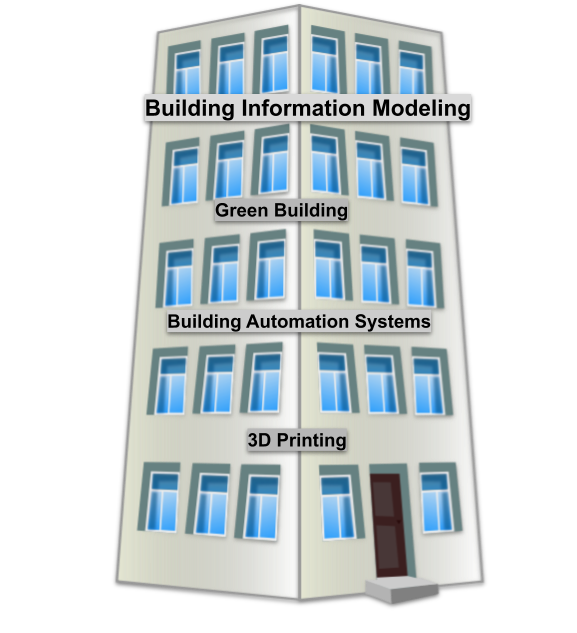
Building Information Modeling (BIM): BIM is a digital representation of a building's physical and functional characteristics. It is used for the planning, design, construction, and operation of a building. Building Information Modeling (BIM) is a digital process that involves creating a 3D model of a building, infrastructure, or other built environment asset. BIM is an intelligent model-based process that provides insight for creating and managing buildings and infrastructure. BIM technology can integrate different elements of a building, such as its geometry, spatial relationships, geographic information, quantities, and properties of building components.

new concept construction


BIM has revolutionized the way architects, engineers, contractors, and project owners collaborate on construction projects. It allows stakeholders to create and exchange information in a standardized format, which can help reduce errors, enhance efficiency, and improve quality control.

Some of the key benefits of using BIM include:

Improved collaboration: BIM provides a centralized platform for all stakeholders to share information and collaborate on the project.

Enhanced communication: BIM models can be easily visualized and communicated to all parties involved in the project, making it easier to explain design decisions.

Reduced errors and rework: BIM enables stakeholders to identify and resolve design conflicts before construction begins, reducing the likelihood of errors and rework.

Better cost estimation: BIM enables stakeholders to calculate accurate quantities and costs of building materials, helping to prevent cost overruns.

Improved project scheduling: BIM allows stakeholders to visualize the construction process and identify potential scheduling conflicts, helping to keep the project on track.

Overall, BIM has become an essential tool for the construction industry, providing stakeholders with the ability to create and manage complex building projects in a more efficient and effective way.

*** *** 

 Prefabrication and Modular Construction: Prefabrication involves the manufacture of building components in a factory setting and their assembly on-site. Modular construction involves the production of whole building units in a factory, which is then transported and assembled on-site. These methods can reduce construction time and waste, as well as improve quality and safety. Prefabrication and modular construction are two methods of construction that involve manufacturing building components off-site and then transporting and assembling them on-site. These methods offer several advantages over traditional construction methods, including reduced construction time, improved quality control, and increased efficiency.

Prefabrication involves constructing building components such as walls, roofs, and floors in a factory or manufacturing facility, and then transporting them to the construction site for assembly. This process allows for greater precision and consistency in the construction process, which can lead to fewer errors and a higher-quality finished product.

Modular construction takes prefabrication one step further by constructing entire sections or modules of a building off-site and then assembling them on-site to create a complete building. This method is particularly useful for building structures with repetitive elements such as hotels, hospitals, and student housing.

Some of the key benefits of prefabrication and modular construction include:

Faster construction times: Prefabrication and modular construction can significantly reduce the time it takes to complete a building project since much of the construction work is done off-site. Prefabrication and modular construction are known for their ability to significantly reduce construction time compared to traditional on-site construction methods. This is because much of the construction work is done off-site, in a controlled environment, and multiple components can be produced simultaneously.

In traditional construction, various activities are performed sequentially, which often results in delays and downtime. However, with prefabrication and modular construction, multiple activities can be done concurrently. This means that while one section of the building is being assembled on-site, other sections can be manufactured off-site.

In addition, prefabrication and modular construction involve fewer on-site workers and less equipment, which can minimize the likelihood of work disruptions caused by inclement weather, labor shortages, and material delays. The controlled environment of a factory or manufacturing facility also allows for better planning and scheduling of construction activities, which can help ensure that projects are completed on time.

Overall, faster construction times are a significant advantage of prefabrication and modular construction, as they can help reduce project costs, minimize disruptions, and accelerate the return on investment for construction projects.

Improved quality control: Building components can be manufactured to precise specifications in a controlled environment, leading to a higher quality finished product.

Increased safety: Prefabrication and modular construction can reduce the need for workers to be on-site, which can lower the risk of accidents and injuries. Reduced waste: Prefabrication and modular construction can reduce waste by using materials more efficiently and recycling any excess materials.

Enhanced sustainability: Prefabrication and modular construction can help reduce a building's environmental impact by using eco-friendly materials and producing less waste.

Overall, prefabrication and modular construction are becoming increasingly popular in the construction industry, as they offer a range of benefits over traditional construction methods.

Green Building: Green building focuses on designing and constructing buildings that are environmentally sustainable and energy-efficient. This includes using renewable energy sources, reducing waste, and incorporating green materials. Green building is a construction practice that prioritizes sustainability, energy efficiency, and environmental responsibility in the design, construction, and operation of buildings. Green buildings are designed to minimize the negative impact on the environment and enhance the health and well-being of their occupants.

Some of the key features of green buildings include:

Energy efficiency: Green buildings are designed to use energy more efficiently by incorporating energy-efficient lighting, heating, ventilation, and air conditioning systems. This can lead to significant cost savings on energy bills and reduce the building's carbon footprint.

Water conservation: Green buildings incorporate features such as low-flow toilets, water-efficient fixtures, and rainwater harvesting systems to reduce water consumption and protect local water resources.

Sustainable materials: Green buildings use sustainable and eco-friendly building materials, such as bamboo, recycled steel, and reclaimed wood, which have a lower environmental impact than traditional building materials.

Indoor air quality: Green buildings prioritize indoor air quality by using non-toxic building materials, ventilation systems that circulate fresh air, and low-emission finishes and furnishings. This can lead to a healthier and more productive indoor environment for occupants.

Renewable energy: Green buildings incorporate renewable energy sources, such as solar panels and wind turbines, to generate clean energy and reduce reliance on non-renewable sources of energy.

Green building practices can offer several benefits, including:

Environmental protection: Green buildings help reduce the negative impact of construction on the environment by minimizing resource consumption, waste generation, and greenhouse gas emissions.

Cost savings: Green buildings can result in significant cost savings over time due to reduced energy and water bills, lower maintenance costs, and increased durability of building components.

Improved health and well-being: Green buildings prioritize indoor air quality and occupant comfort, which can lead to improved health and productivity for building occupants.

Enhanced marketability: Green buildings are increasingly in demand due to their sustainability credentials, which can enhance the marketability and value of the building.

Overall, green building is an important trend in the construction industry, as it can help reduce the environmental impact of buildings and create healthier, more sustainable built environments for people to live and work in.

Building Automation Systems: Building automation systems use technology to control and monitor building systems such as lighting, heating, ventilation, air conditioning (HVAC), and security. This can improve energy efficiency and reduce maintenance costs. Building Automation Systems (BAS) are centralized, computerized systems that are used to control and monitor a building's mechanical and electrical systems. These systems are commonly used in commercial and industrial buildings and can be used to control systems such as heating, ventilation, air conditioning (HVAC), lighting, and security.

The goal of BAS is to improve the efficiency of building operations, reduce energy consumption, and provide a comfortable and safe environment for building occupants. BAS can achieve these goals by automating the control of building systems, allowing for real-time monitoring and analysis of energy usage, and providing tools for building managers to optimize building performance.

BAS typically consists of hardware such as sensors, controllers, and actuators, as well as software that allows for the programming and control of these devices. Some common features of BAS include scheduling of system operations, automated control of HVAC and lighting systems based on occupancy and environmental conditions, and remote monitoring and control of building systems.

Overall, BAS plays an important role in the management and optimization of building operations and can help building owners and managers save money, reduce energy consumption, and improve the comfort and safety of building occupants.

3D Printing: 3D printing is a process of creating three-dimensional objects using digital models. In construction, it can be used for the production of complex shapes, building components, and even entire structures.

Collab

Search This Blog

Popular Posts

Main Tags

Total Pageviews